Understanding Stand Count and Its Increasing Importance in Modern Crop Management
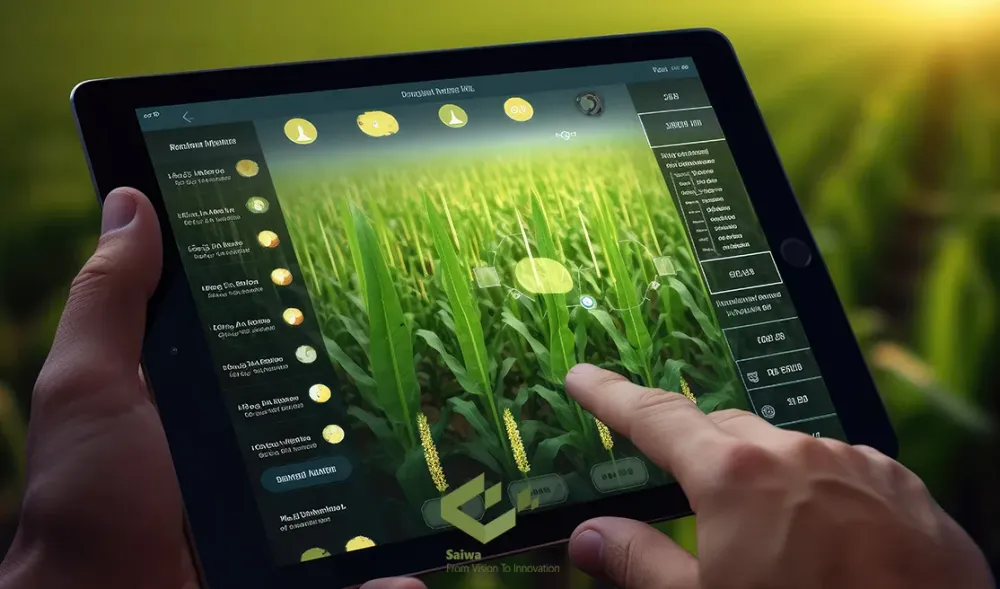
In modern agriculture, early-season crop evaluation has become one of the most important steps for ensuring a productive growing season. Among all early indicators, Stand Count remains one of the most trusted and practical tools for understanding crop establishment. Although it appears simple on the surface, Stand Count carries significant weight in shaping agronomic decisions for the rest of the season. It provides growers with the first clear measurement of how well seeds have emerged, how uniform the stand is, and whether early conditions supported proper germination. As farms grow larger and production becomes more data-driven, Stand Count continues to play a central role in managing crops effectively.
Stand Count refers to the number of live plants within a defined area, typically measured shortly after emergence. Evaluating Stand Count provides insight into seedbed conditions, planter performance, and environmental factors that affected germination. A high Stand Count suggests that planting was successful and conditions were favorable, while a low Stand Count signals potential issues such as seedling diseases, uneven moisture, soil crusting, or mechanical challenges during planting. This early snapshot helps growers assess yield potential and determine whether additional actions—such as replanting or adjusting management plans—are necessary.
One of the key reasons Stand Count is so essential is its connection to planter performance. Proper seed placement is fundamental to achieving strong emergence. When Stand Count falls short of the target, it often points to variation in seeding depth, inadequate closing wheel pressure, poor seed-to-soil contact, or inconsistencies in row unit operation. These factors directly influence early growth, and small deviations can create uneven stands that reduce yield potential. A careful Stand Count allows growers to identify such issues and fine-tune planter settings for future seasons.
Environmental conditions play an equally important role. Soil temperature and moisture at planting influence germination speed and uniformity. Cool soil may delay growth while excessively wet soil increases the risk of seed rot. Crusting can restrict emergence entirely. By performing Stand Count checks across different zones in a field, growers gain insight into how micro-environments affected emergence. This spatial understanding allows for improvements in tillage, residue management, planting timing, and irrigation strategy. Stand Count becomes more than a number—it becomes a map of where conditions were supportive and where challenges occurred.
Another significant function of Stand Count is supporting replant decisions. Replanting requires careful consideration because it brings cost, labor, and timing implications. Without reliable data, deciding whether to replant becomes guesswork. Stand Count provides the foundation for calculating potential yield loss from a reduced population and weighing it against the expected benefit of establishing a new stand. When Stand Count reveals extremely low emergence, particularly early in the season, replanting may be the best option for preserving yield. When Stand Count is only slightly below the ideal threshold, replanting may deliver little value. Using Stand Count to guide this decision ensures a more informed and confident approach.
Stand Count also contributes significantly to early-season yield forecasting. While many factors influence final yield—weather, pest pressure, fertility, and management—Stand Count is one of the earliest indicators of the crop’s potential. A strong Stand Count promotes uniform spacing, even competition, and consistent canopy development, all of which favor higher yields. In contrast, low Stand Count often leads to gaps in the canopy, uneven competition between plants, and increased weed pressure. These challenges reduce yield potential long before the crop reaches more visible growth stages. Understanding Stand Count early helps growers adjust expectations and refine management strategies accordingly.
Traditional methods for performing Stand Count include the 1/1000-acre method, fixed-row measurements, and quadrat sampling. These approaches remain widely used and effective, but they can be time-consuming, especially for large operations. Walking fields, counting plants manually, and calculating averages can take significant effort. This is why many growers have begun exploring digital tools and automation to support the Stand Count process. These technologies enable faster, more accurate assessments across more acres, allowing growers to base decisions on broader and more reliable data.
Beyond time savings, improved Stand Count methods help reduce human error. Manual counting introduces variability, particularly when fatigue or inconsistent spacing comes into play. Automated tools maintain uniform accuracy and provide repeatable results. The ability to visualize Stand Count in maps or detailed reports also helps growers identify patterns and pinpoint areas of concern. These insights support precise, data-driven decisions throughout the early season.
Stand Count is also highly valuable for identifying hidden agronomic issues. When Stand Count is evaluated across multiple locations within a field, patterns emerge. Reduced Stand Count may highlight drainage issues, compaction zones, residue buildup, pest damage, or nutrient-related challenges. These may not be obvious from visual inspection alone, especially in the early stages of growth. By understanding Stand Count variations, growers can diagnose underlying problems and take corrective steps before they escalate.
Long-term trend analysis is another major benefit of consistent Stand Count monitoring. Over multiple seasons, growers begin to see which fields or sections consistently produce strong stands and which areas underperform. This historical perspective helps guide decisions related to field management, fertility planning, tillage practices, and hybrid or variety selection. Stand Count becomes part of a broader knowledge base that improves overall farm performance.
Stand Count also helps guide input allocation. Actual plant population affects fertilizer needs, irrigation scheduling, and weed management decisions. Areas with a strong Stand Count may require more strategic input application, while fields with lower Stand Count may justify more conservative management to avoid unnecessary costs. Matching inputs to plant density helps growers optimize both yield and efficiency.
In the broader context of the growing season, Stand Count sets the stage for everything that happens next. It is one of the earliest, clearest indicators of how well the crop has begun and what management strategies are most appropriate moving forward. Whether evaluating planter accuracy, diagnosing environmental challenges, or planning midseason adjustments, Stand Count provides essential information that informs the rest of the season.
In conclusion, Stand Count remains a foundational practice in crop production, offering clarity and direction at one of the most critical stages in the growing season. As farms continue to adopt more data-driven approaches, tools and services provided by organizations like saiwa support growers in performing Stand Count more efficiently and using the insights to strengthen overall crop management.


Comments
Post a Comment